Valence Park upholstery cleaning for Becontree families: a practical guide to cleaner, fresher furniture
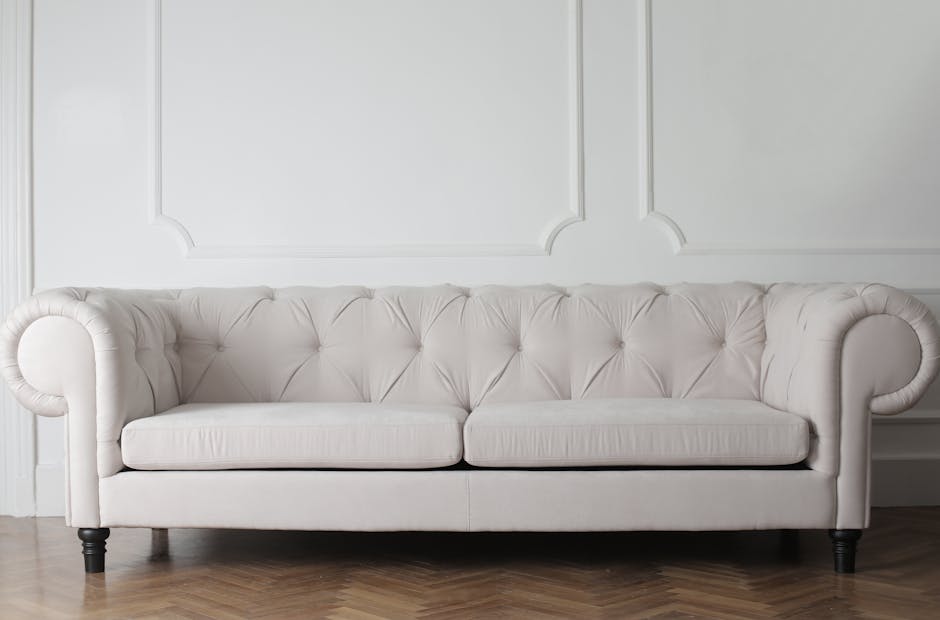
If your sofa has seen after-school snacks, muddy shoes, pet hair, or the occasional juice spill, you are in the right place. Valence Park upholstery cleaning for Becontree families is really about more than a neat-looking armchair or a fresher living room. It is about making family furniture last longer, smell better, and feel genuinely pleasant to use again. Truth be told, a well-loved sofa can quietly collect more grime than people realise.
In a busy Becontree home, upholstery takes daily punishment. Children climb on it, pets nap on it, and winter damp can make soft furnishings hold onto odours. This guide walks you through what upholstery cleaning involves, why it matters, how it works, and how to judge what kind of service or method makes sense for your home. You will also find a comparison table, a simple checklist, and a proper FAQ section to help you make a confident decision without guesswork.
Why Valence Park upholstery cleaning for Becontree families matters
Upholstery is one of those things you stop noticing until it starts looking tired. Then suddenly the faded patch on the arm, the faint smell near the cushions, or the grey shadow where little hands rest becomes impossible to ignore. For families around Valence Park and wider Becontree, that matters because furniture is used hard and often. It is not just decoration; it is the centre of family life.
Soft furnishings hold onto dust, body oils, crumbs, pollen, pet dander, and everyday spills. Even if a sofa looks fine at a glance, fibres can trap debris deep inside the fabric. Over time, that can make a room feel dull and a little stale. And let's face it, when the sofa smells less than fresh, the whole lounge seems to follow suit.
Regular professional attention can help prevent stains from becoming permanent and keep fabrics in better condition. That is especially useful in homes with young children, pets, or relatives who visit often. It is also a sensible move if you want to protect a piece of furniture you actually like, rather than replacing it earlier than necessary.
There is another reason this topic matters. Different fabrics react differently to cleaning. Velvet, wool blends, microfibre, linen, and synthetic upholstery all need slightly different handling. A good approach is not just about removing dirt; it is about cleaning safely, without causing shrinkage, colour change, or texture damage. That is where proper method, careful inspection, and the right products make a real difference.
Expert summary: The best upholstery cleaning is not the most aggressive one. It is the one that lifts soils, protects the fabric, and fits the way your family actually uses the room.
If you are also thinking about broader soft-furnishing care, it can help to look at related services such as sofa cleaning, curtain cleaning, or rug cleaning, because the same household habits affect all of them. Families often notice the biggest change when the sofa, curtains, and rugs are cleaned together. Small thing, but it makes the room feel more complete.
How Valence Park upholstery cleaning for Becontree families works
Most upholstery cleaning follows a fairly simple pattern: inspect, test, treat, clean, and dry. The details matter, though. A careful cleaner will look at the fabric type, construction, and level of soiling before deciding how to proceed. That first look is not a formality. It tells you whether the item can handle moisture, which spots need pre-treatment, and whether any fibre or dye risks are present.
In practical terms, here is what usually happens. First, loose debris is removed with vacuuming or dry extraction. Then stains and high-traffic areas are pre-treated with suitable cleaning solutions. After that, the fabric is cleaned using a method suited to the material, which may include low-moisture techniques or hot water extraction where appropriate. Finally, the item is allowed to dry properly so that the fibres reset cleanly instead of drying with marks or a stiff feel.
Some furniture needs extra care. Delicate fabrics may require a gentle dry or low-moisture process. Heavier synthetic upholstery can often tolerate more thorough extraction. Spot testing is important because dyes can behave differently, especially on older furniture or items that have already been cleaned with household products. The cleaner is basically reading the fabric before doing anything dramatic. Sensible, really.
Odour treatment is another part of the process when needed. This can be especially useful in family homes where food spills, wet coats, smoke residue, or pet accidents have settled into cushions and armrests. If you are dealing with a pet-related issue, it may also be worth exploring pet stain and odour removal, because upholstery odours often need a more specific approach than standard surface cleaning.
For heavily soiled furniture, some people also ask about steam carpet cleaning. While carpets and upholstery are not cleaned exactly the same way, the principle is similar: the method should match the material, the soil level, and the drying environment. In a family home, that practical fit matters more than fancy terminology.
Key benefits and practical advantages
The biggest benefit is obvious: cleaner furniture. But the real value goes beyond appearances. Upholstery cleaning can improve how a room feels, reduce lingering smells, and help furniture hold its shape and colour for longer. When a sofa or dining chair is looked after properly, it tends to age more gracefully. That's not just good housekeeping; it is value preservation.
- Better appearance: Colours look brighter and fabric looks less flat or patchy.
- Improved freshness: Odours from food, pets, and day-to-day use are reduced.
- Longer furniture life: Regular care helps reduce the wear caused by embedded grit and body oils.
- More comfortable family spaces: Clean upholstery feels better for daily use.
- Healthier-feeling environment: Removing dust and debris helps reduce the build-up of allergens in soft furnishings.
There is also a practical side that families appreciate. You may not want to replace a perfectly good sofa just because it looks a bit tired after a few years of family life. Professional cleaning can buy time. Sometimes a lot of time. That is especially useful if your furniture was expensive or simply fits your home well.
Another advantage is stain control. Everyday stains are easier to manage when tackled early, but professional stain treatment can often improve the result even when the mark has been there a while. If stain removal is becoming a recurring issue, it may help to combine upholstery cleaning with dedicated stain removal support rather than trying to do everything with one all-purpose spray from under the sink.
And yes, a fresher room can change how the whole home feels. On a grey winter afternoon, when coats are dripping by the door and the windows are shut, a clean sofa and dry cushions can make the space feel lighter. Not glamorous, maybe, but very real.
Who this is for and when it makes sense
Valence Park upholstery cleaning for Becontree families is a strong fit for households that use their furniture heavily and want it to keep looking decent without constant replacement. That includes young families, multi-generational homes, pet owners, and anyone who regularly hosts guests. It also suits people who simply notice the room feels a bit off and cannot quite put their finger on why. Often it is the upholstery.
It tends to make the most sense when you are seeing one or more of these signs:
- visible marks on arms, seats, or headrests
- spills that have darkened fabric fibres
- pet smells or food odours that linger after airing the room
- fabric that looks matted or dull
- dusty patches on cushions or seams
- allergy concerns linked to soft furnishings in regular use
It is also worth considering after seasonal life events. After winter, furniture often feels heavier and more closed-in because rooms have been less ventilated. After school holidays, there may be more wear than usual. After parties, birthdays, or family gatherings, it is common to notice what the sofa has quietly taken on. One afternoon of cleaning can reset the whole room. That sounds dramatic, but it often is.
If you are comparing wider domestic cleaning options, consider whether you also need mattress cleaning or curtain cleaning. Families often benefit from a broader soft-furnishing refresh because dust, pet hair, and odours do not politely stay in one place.
Step-by-step guidance
If you want to understand what a careful upholstery cleaning visit usually looks like, this simple sequence is a helpful guide. It keeps expectations realistic and makes it easier to judge whether the work has been done properly.
- Identify the fabric and condition. Check labels if available, but do not worry if you cannot find one. A good cleaner can still assess the item in person.
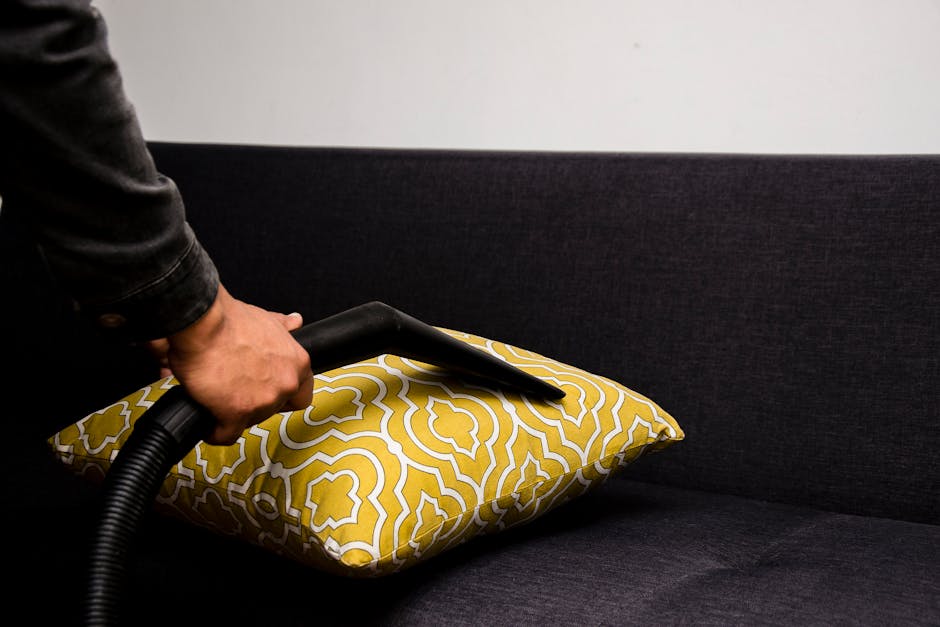
- Vacuum thoroughly. Loose dirt and crumbs need removing before any wet or low-moisture cleaning begins.
- Test a hidden area. This helps avoid unexpected colour transfer or fabric distortion.
- Pre-treat stains and heavily used areas. Kitchen grease, drink spills, and body oils often need separate treatment.
- Choose the right cleaning method. The process should match the fabric, the stain, and the drying conditions.
- Extract or wipe away residues. Leftover cleaning product can attract dirt if not removed properly.
- Allow safe drying time. Good airflow helps. Over-wetting is not your friend here.
- Inspect the result. Check seams, armrests, and shaded areas before the job is considered finished.
For families who prefer doing small maintenance themselves between visits, a gentle vacuum attachment and immediate blotting of fresh spills are often the most useful habits. Not rubbing. Blotting. Rubbing tends to grind the mess deeper, which is annoying but also very human, because we all do it once in a while and then regret it.
When booking a more comprehensive service, it is sensible to ask about the provider's health and safety policy and insurance and safety information. You want someone who treats your home carefully and works in a way that is safe for children, pets, and the furniture itself.
Expert tips for better results
Most upholstery cleaning mistakes are preventable. A few simple habits can make a big difference before and after the visit. In our experience, families get the best results when they think about the room as a system, not just one stained cushion.
- Deal with spills quickly. Fresh spill, clean cloth, gentle blotting. That first minute matters.
- Rotate cushions where possible. It helps avoid uneven wear and flattening.
- Ventilate the room. Drying goes better when air can move freely.
- Keep an eye on cleaning products. Too much detergent can leave a sticky residue.
- Ask about drying times before booking. Especially if you need the sofa back in use the same evening.
- Protect high-use spots. Arms, seat fronts, and headrests often need extra attention.
A useful little trick: before the cleaner arrives, remove throws, toys, books, and loose cushion covers if they are meant to come off. That sounds obvious, but family homes are full of moving parts, and the cleaner cannot work around a mountain of building blocks like a silent hero. Well, they can, but it is slower and less efficient.
If your home sees a lot of traffic, it can also make sense to combine upholstery work with carpet cleaning. Furniture and flooring tend to age together. Refreshing both at the same time often gives the room a more balanced result, and it can be easier on scheduling too.
One more thing: do not assume the strongest-smelling product is the best one. Scent and cleanliness are not the same thing. A heavy fragrance can hide an issue for a day and then fade, leaving the original smell underneath. Subtle is often better.
Common mistakes to avoid
Families often try to solve upholstery problems with whatever is already under the kitchen sink. Fair enough. It feels quicker. But upholstery fabric can be fussy, and the wrong move can leave a bigger mark than the original spill.
- Using too much water: Over-wetting can cause water rings, long drying times, and fabric distortion.
- Scrubbing aggressively: This can spread stains and damage fibres.
- Using random household cleaners: Some products bleach or weaken fabrics.
- Ignoring hidden areas: The back, sides, and seams often hold the real dirt.
- Cleaning without testing: Spot testing is boring, yes, but very sensible.
- Putting furniture back into use too soon: Trapped moisture can cause odours or re-soiling.
Another mistake is expecting every stain to disappear completely. Some marks are old, heat-set, or chemically altered. A careful cleaner should explain that upfront rather than promising miracles. That honesty matters. It saves disappointment later and keeps expectations fair.
If your concern is a stubborn mark or dull patch that needs more targeted treatment, it may help to look at stain removal as a separate service focus. Sometimes the upholstery clean lifts most of the soil, but the final bit needs specialist stain work.
Tools, resources and recommendations
You do not need a van full of equipment to care for upholstery between professional visits, but a few basic tools are useful. Families who stay on top of maintenance usually rely on simple, practical items rather than fancy gadgets.
| Tool or resource | What it helps with | Best use |
|---|---|---|
| Soft brush attachment | Removing loose dust and pet hair | Weekly vacuuming of sofas and chairs |
| Microfibre cloths | Blotting fresh spills | First response to accidents |
| White towels | Pressing out moisture safely | After cleaning or spill treatment |
| Fabric care label or manufacturer notes | Checking cleaning limits | Before any wet treatment |
| Room ventilation | Helping fabric dry evenly | After any deeper clean |
For service planning and budgeting, the most useful starting point is usually pricing and quotes. That lets you compare the likely scope of work before committing. It is also sensible to review payment and security information if you are booking online or want to understand how payments are handled.
If sustainability matters to your household, check whether the provider explains its approach to recycling and sustainability. Families in Becontree often appreciate practical choices that reduce waste, especially when a service uses just enough product rather than overdoing it. Less splashy, more sensible.
Law, compliance, standards, or best practice
For upholstery cleaning in a family home, the main thing is not a complicated legal rulebook. It is good practice: safe handling of chemicals, proper risk awareness, clear pricing, and honest communication about what can and cannot be achieved. If furniture is being cleaned in a home with children, pets, or vulnerable relatives, extra care is always the right instinct.
In the UK, customers generally expect traders to work safely, communicate clearly, and treat property with reasonable care. That means explaining any limitations, warning about sensitive fabrics, and avoiding reckless methods that could damage upholstery. If a company mentions its terms and conditions, it is worth reading them in plain English before booking. Not because you expect a problem, but because it helps everyone understand the job properly.
Another good sign is a transparent approach to complaints and accountability. Nobody books a cleaning service hoping to use a complaints form, but knowing there is a process can be reassuring. The same goes for public-facing policies such as an about us page, where you can learn how the business presents itself, and a complaints procedure, which shows that issues are taken seriously.
For families who want an accessible service experience, it is also reasonable to check the site's accessibility statement. That might sound like a small detail, but clear access information can make arranging a service less stressful, especially if you are juggling children, work, or care responsibilities.
Options, methods, or comparison table
Different upholstery cleaning approaches suit different homes. The right choice depends on fabric type, drying space, stain level, and how urgently you need the furniture back in action. Here is a simple comparison to help you think it through.
| Method | Best for | Pros | Limitations |
|---|---|---|---|
| Vacuum-based maintenance | Routine upkeep | Quick, simple, low risk | Will not remove embedded dirt or old stains |
| Low-moisture upholstery cleaning | Delicate fabrics and faster drying needs | Gentler on sensitive materials, less downtime | May be less effective on heavy soiling |
| Hot water extraction | Durable fabrics with deeper soil | Strong soil removal, good for everyday grime | Needs proper drying and careful fabric assessment |
| Targeted stain treatment | Specific spots or spill marks | Focused, efficient, useful as part of a larger clean | Not a full-room refresh on its own |
So, which one should you choose? If the furniture is generally fine but just needs brightening up, a standard clean may be enough. If there are pet odours, old spills, or heavy use, a deeper method could be more appropriate. If the fabric is delicate, go gentler. That really is the core decision.
For larger households or mixed-use properties, it can also make sense to think more broadly about services like commercial carpet cleaning if a home office, nursery, or shared common area needs extra attention. Not every family home needs this, of course, but it is there if the situation is more demanding than a standard lounge clean.
Case study or real-world example
Here is a realistic family scenario. A Becontree household near Valence Park has a light-coloured sofa in the living room. Over time, the left-hand seat cushion starts to look darker than the rest. There are faint traces of snack crumbs, a little bit of pet hair in the seams, and an odour that becomes noticeable in the evening when the heating is on. Nothing dramatic. Just enough to make the room feel worn.
The family vacuums regularly, but that only removes surface debris. They try a store-bought spot cleaner on one patch, which improves the mark slightly and leaves a faint tide line. Then they book a proper upholstery clean. The cleaner inspects the fabric, tests a hidden area, pre-treats the high-use section, and uses the right method for the material. Drying is managed with airflow and patience. Not instant, but controlled.
The result is not a magical brand-new sofa. That would be a silly promise. But the fabric looks brighter, the odour is reduced, and the room feels less heavy. The family decides to keep on top of it with regular vacuuming and cushion rotation, which makes the next clean easier. That is the sort of outcome people actually want: not perfection, just a noticeable reset.
This is where local, family-focused upholstery cleaning earns its keep. It gives busy homes a practical way to restore comfort without having to replace good furniture too soon. And in a home where life is always happening, that is a proper win.
Practical checklist
Use this quick checklist before booking upholstery cleaning or tackling light maintenance yourself.
- Identify which items need cleaning: sofa, armchair, dining chairs, footstool, or cushions.
- Check for fabric labels, care instructions, or manufacturer notes if available.
- Note any stains, smells, pet accidents, or high-wear areas.
- Remove loose items, throws, and toys from the furniture.
- Vacuum the upholstery, including seams and under cushions.
- Decide whether the issue is surface dirt, staining, odour, or all three.
- Ask about drying time and whether the room needs ventilation.
- Confirm how pricing is structured before the work begins.
- Review safety, insurance, and complaint information if you want extra reassurance.
- Plan when the furniture can be used again so nobody ends up sitting on damp cushions at 8pm.
If you want a more complete soft-furnishing refresh, you could also consider related care for nearby items such as curtains, rugs, or carpets. A joined-up approach often works better than chasing one mark at a time. It is a bit less frantic, too.
Conclusion
Valence Park upholstery cleaning for Becontree families is about protecting the furniture that carries everyday life. The sofa where homework gets done, the chair where someone always drops their bag, the cushions that pick up the evidence of family dinners and Saturday mornings. They all deserve proper care. And if they look cleaner, smell fresher, and last longer, that is a meaningful improvement, not a small one.
The best results usually come from matching the method to the fabric, treating stains carefully, and keeping expectations realistic. You do not need a dramatic overhaul every time. Sometimes you just need the room to feel like itself again. Calm. Clean. Comfortable.
Get a free quote today and see how much you can save.
And if you are comparing options, start with the practical details: fabric type, stains, drying time, and the level of care your home needs. A little thoughtful planning now can save a lot of hassle later, which, to be fair, is exactly what busy families need.
Frequently asked questions
How often should families book upholstery cleaning?
It depends on use, pets, children, and fabric type. Busy family homes often benefit from periodic professional cleaning rather than waiting until furniture looks obviously dirty. If a sofa gets daily use, earlier attention is usually better than leaving it too long.
Can upholstery cleaning remove old stains?
Sometimes, yes, but not always completely. Age, fabric type, and previous DIY treatments all affect the outcome. A careful cleaner should explain likely results before starting, especially for stains that have dried in or been heat-set.
Is upholstery cleaning safe for children and pets?
It can be, provided suitable products and methods are used and the furniture is allowed to dry properly. It is sensible to keep children and pets away from the area during cleaning and until the fabric is fully dry.
How long does upholstery take to dry?
Drying time depends on the method used, room ventilation, fabric thickness, and weather. Low-moisture methods usually dry faster than deeper wet cleaning, but it is best to ask for a realistic time estimate before the job begins.
Should I clean the sofa myself or hire a professional?
Light vacuuming and immediate spill blotting are great for maintenance. For embedded dirt, odours, or delicate fabrics, professional cleaning is usually the safer bet. It reduces the chance of damage and gives a more even result.
What fabric types need extra care?
Delicate fabrics such as velvet, silk blends, and some natural fibres need careful testing and gentler methods. Older furniture and items with faded dyes can also be more sensitive, even if they look sturdy at first glance.
Does upholstery cleaning help with odours?
Yes, especially when the smell comes from trapped dirt, food residue, pets, or general household use. Strong odours may need targeted treatment rather than a standard clean alone, so it helps to describe the issue clearly when booking.
Will cleaning make the fabric look brand new?
Usually not brand new, no. But it can make a very noticeable difference in freshness, colour, and feel. The real goal is to restore and preserve, not pretend years of family life never happened.
What should I do before the cleaner arrives?
Clear toys, cushions, throws, and loose items from the furniture. Vacuum if you can. Make a note of the stains or problem areas. If possible, check for care labels. That little bit of prep helps the visit go more smoothly.
Can professional cleaning help furniture last longer?
Yes. Embedded grit, body oils, and residue can all wear fibres down over time. Regular cleaning helps reduce that build-up, which can slow visible wear and keep furniture looking more cared for.
Is it worth cleaning a sofa that looks only slightly dirty?
Often, yes. Upholstery can hold more dirt than the surface suggests. Cleaning before a piece looks badly worn usually gives better results and may help prevent deeper staining or smell build-up.
How do I compare upholstery cleaning services fairly?
Look at fabric knowledge, cleaning methods, safety, insurance, pricing clarity, and how well the provider explains the process. Clear communication matters more than big claims. If the explanation feels vague, that is worth noticing.