Becontree Tube Station Area Sofa Cleaning and Collection: A Practical Local Guide
If you live near Becontree tube station, you already know how busy everyday life can get. There's work, family, pets, the odd spill, and somehow the sofa ends up taking the hit for all of it. That's where Becontree tube station area sofa cleaning and collection becomes genuinely useful: a simple way to get a tired sofa cleaned properly, picked up when it suits you, and returned looking and smelling far better than before.
This guide explains how the service works, what to expect, when collection makes sense, and how to avoid common mistakes. It also covers practical checks on fabric type, stains, drying times, and the small details that make a big difference. To be fair, sofas are one of those things people ignore until they can't ignore them anymore. By then, the crumbs, pet hair, water marks and that faint "what is that smell?" feeling have usually settled in.
Below, you'll find a clear breakdown for anyone in the Becontree area who wants their upholstery cleaned without the hassle of trying to move a bulky sofa through a narrow hall or down a set of awkward stairs. Let's keep it simple and useful.
Why Becontree tube station area sofa cleaning and collection Matters
A sofa is not just another piece of furniture. It is the place where people flop down at the end of the day, where guests end up during a visit, and where the remote goes missing in plain sight. In a busy local household, upholstery picks up far more than visible dirt. Body oils, dust, allergens, pet dander, food spills and everyday wear all build up slowly. It's a bit sneaky, honestly.
In the Becontree tube station area, many homes are a mix of compact layouts, family living spaces and hard-to-manoeuvre furniture. That is exactly why collection matters. If a sofa can be removed and cleaned off-site, you avoid the stress of moving equipment through the home and you can often deal with deeper cleaning more efficiently. That said, collection is not only about convenience. It can also help with more thorough treatment, especially when a sofa needs time to dry, deodorise or have stains treated carefully.
People usually look for this service for one of three reasons: the sofa looks shabby, it smells a bit off, or a stain has become impossible to ignore. Sometimes all three, which is fair enough. The useful thing about a proper cleaning-and-collection service is that it addresses the whole problem rather than just masking it.
Expert summary: If your sofa has visible staining, persistent odour, heavy pet hair, or fabric that needs specialist care, collection-based sofa cleaning can be a smarter option than trying to manage everything at home. It is especially handy when space is tight or the item is too bulky to handle comfortably.
For households that want a broader upholstery refresh, it can also make sense to look at professional upholstery cleaning alongside sofa care. And if the sofa problem is tied to carpet spillover or tracked-in grime, pairing it with carpet cleaning can make the whole room feel properly reset.
How Becontree tube station area sofa cleaning and collection Works
The process is usually straightforward, though the details matter. A good service begins with an assessment of the sofa fabric, construction, and the type of soiling involved. Cotton, linen, velvet, synthetic blends, leather-look fabrics and mixed upholstery all react differently to moisture and cleaning agents. That is why a one-size-fits-all approach can be risky.
In a typical collection service, the sofa is first inspected, then removed carefully from your property. The cleaner may note stains, fading, stitching issues, loose buttons or pre-existing wear before anything begins. This helps avoid disputes later and keeps expectations realistic. You want a clean sofa, yes, but you also want the job handled properly.
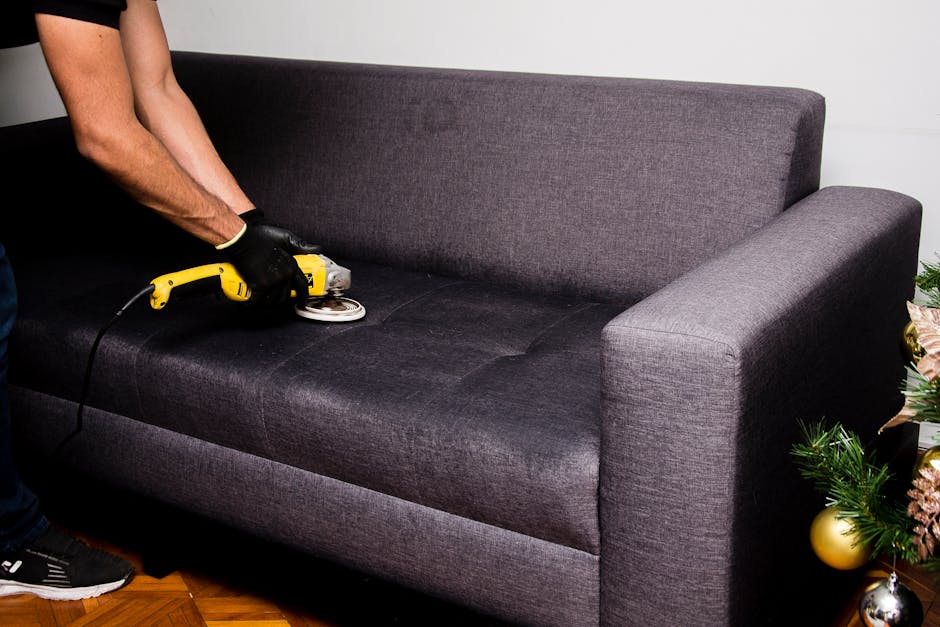
Once collected, the sofa is cleaned using the method best suited to the fabric. This may involve low-moisture cleaning, controlled extraction, targeted stain treatment, deodorising, or a more intensive upholstery process where appropriate. Some items need extra attention around arms and headrests, since that is where oils and contact marks tend to collect first. The sofa is then dried, checked, and prepared for return.
The collection part matters because it removes the logistical headache from your day. No balancing furniture in a hallway. No worrying about damp fabric sitting in the middle of the living room. And no trying to guess whether you've used too much water. We've all been there with home cleaning kits, and it's rarely elegant.
If your sofa has a stubborn patch or a specific mark, a dedicated stain removal approach may be needed before the main clean. For pet-related issues, specialist pet stain odour removal is often the sensible route, because smell can linger long after the visible stain has faded.
Key Benefits and Practical Advantages
There are several reasons this service appeals to people around Becontree tube station, and most of them are refreshingly practical.
- Less disruption at home: bulky furniture is removed and cleaned elsewhere, so your home stays easier to manage.
- Better access for deep cleaning: off-site treatment can be more thorough, especially when the fabric needs extra drying time or careful spot work.
- Convenience for busy households: ideal if you work long hours, manage children, or simply do not want a sofa sitting around while it dries.
- Improved appearance: cleaned upholstery often looks brighter, fresher and less flat, which makes the whole room feel tidier.
- Odour control: a proper clean can help with food smells, pet odours and the general stale feeling that fabric can build up over time.
- Fabric care: when handled correctly, the process can preserve the material better than guesswork with household products.
There's also a psychological benefit people often underestimate. A sofa that looks and smells clean makes the whole home feel calmer. You notice it when you sit down in the evening and the room simply feels more finished. Not glamorous, maybe, but very real.
For people who want a full room refresh, combining upholstery work with steam carpet cleaning can help lift the whole space, especially after a move, a pet incident or a busy winter indoors.
Who This Is For and When It Makes Sense
This service is a good fit for several kinds of customers, and not all of them are dealing with obvious damage.
Households with limited space
If your sofa is too large to clean comfortably in place, collection is often the better choice. Narrow hallways, tight staircases and compact flats around transport links can make moving equipment around awkward. A collection service removes that friction.
Families with children or pets
Sticky fingerprints, snack crumbs, muddy paws and the occasional accident are part of real life. If that sounds familiar, collection-based cleaning can help reset the sofa without making the living room feel like a worksite.
People preparing to move or redecorate
Before a house move, tenancy handover or room refresh, upholstery cleaning is often one of those jobs people leave until the last minute. Truth be told, it's usually the sofa that makes the room look older than it is. Cleaning it before a changeover can make a noticeable difference.
Landlords and property managers
For furnished rentals, clean upholstery supports presentation and may help with wear management between tenancies. If you are overseeing multiple items or a larger property, it can be useful to compare upholstery care with commercial carpet cleaning for a more complete turnover plan.
Anyone dealing with stains or smells
If a spill has sat too long, or the sofa has developed a lingering smell, standard vacuuming will not be enough. That is where a professional approach is worth considering. Especially with older fabric, it's easy to make a stain worse by scrubbing too hard or using the wrong cleaner.
Step-by-Step Guidance
Here is a simple way to think about the process from start to finish.
- Check the fabric type. Look for care labels where possible. If there is no label, take note of texture, colourfastness concerns, and any delicate finishes.
- Identify the main issue. Is it dust, surface dirt, pet odour, a food stain, drink spill or general dullness? Different issues need different treatment.
- Take photos before collection. This is a small step, but useful. It records the sofa's condition and helps everyone stay clear on what needs attention.
- Remove loose items. Cushions, throws, remote controls, toys and anything else hiding in the folds should be taken off before collection.
- Book the collection window. Pick a time that avoids the school run, deliveries or the usual rush. Small thing, big difference.
- Ask about the cleaning method. A good cleaner should explain whether they'll use extraction, low-moisture methods, targeted stain treatment or deodorising.
- Discuss drying and return. Find out how long the sofa may need to dry before use and whether any aftercare is required.
- Inspect on return. Check seams, arms, cushions and high-contact areas before signing off. Do not rush this bit.
If you have other soft furnishings in need of attention, it can be efficient to combine the job with curtain cleaning or rug cleaning so the room gets a fuller refresh. One visit, less disruption. Makes life easier.
Expert Tips for Better Results
A few small decisions can improve the end result more than people expect.
- Don't wait too long. Fresh spills are usually easier to treat than old ones that have sunk deep into the fibres.
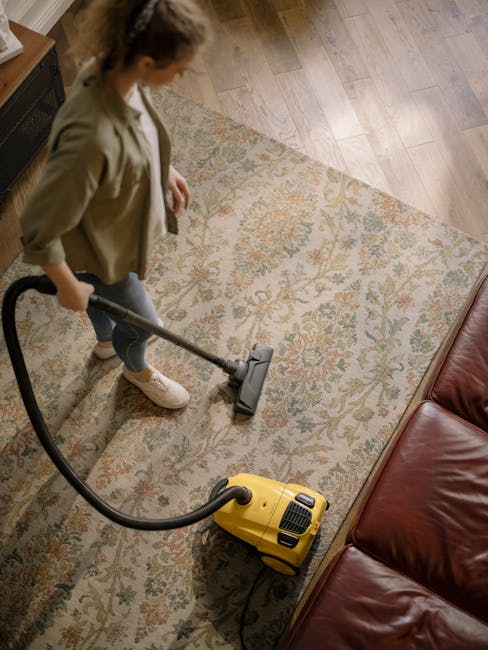
- Vacuum before collection. A quick vacuum helps remove loose dust, crumbs and hair, which makes treatment more focused.
- Avoid over-wetting at home. If you've already tried a cleaner, do not keep layering products on top. That can set the stain or leave residue.
- Be honest about the issue. Mention pets, smoking, baby spills, makeup marks or anything else that may affect the treatment plan. No judgement, just better results.
- Ask about fabric sensitivity. Delicate upholstery needs a gentler approach and slower drying.
- Plan for drying time. Even with collection, the sofa may need a proper rest period before it feels fully ready.
Another useful tip: if your sofa has both visible wear and a smell, do not assume deodoriser alone will solve it. Smells often sit inside the fibres. Cleaning first, scent second. That order matters.
For readers who value peace of mind, it is also sensible to check the company's insurance and safety information and review the health and safety policy before booking. It's not exciting reading, admittedly, but it tells you a lot about how seriously the work is handled.
Common Mistakes to Avoid
Most sofa cleaning problems come from trying to be too helpful, too quick, or a bit too confident with DIY methods. Happens all the time.
- Using random household sprays: some products are too harsh and can bleach or distort upholstery.
- Rubbing stains aggressively: that often pushes the mark deeper into the fabric.
- Ignoring the care label: a simple code on the sofa can save a lot of trouble.
- Booking without asking about collection size or access: if a sofa is oversized or awkward to move, the team should know in advance.
- Assuming all stains are removable: some marks lighten greatly, but not every stain disappears completely. A trustworthy cleaner should be upfront about that.
- Putting the sofa back into use too soon: trapped moisture can create smells or slow drying.
The biggest mistake is probably expecting a miracle rather than a professional improvement. A proper clean can do a lot, but it works best when the furniture is treated sensibly from the start. A bit of realism helps everyone.
Tools, Resources and Recommendations
You don't need a cupboard full of gadgets to prepare for sofa cleaning, but a few basic things help.
| Item or resource | Why it helps | Practical note |
|---|---|---|
| Vacuum with upholstery attachment | Removes loose dirt and crumbs before collection | Use a gentle pass, especially on delicate fabric |
| Soft cloth | Useful for blotting fresh spills | Blot, don't scrub |
| Photos of the sofa | Helps document condition and stains | Take them in good daylight if possible |
| Care label or manufacturer notes | Guides safe cleaning choices | Even a partial label can be useful |
| Booking details and access notes | Helps make collection smooth | Stairs, parking and narrow entrances matter more than people think |
When you are comparing services, it can help to look at how upholstery care sits alongside sofa cleaning and more general upholstery cleaning. The wording may differ, but the real question is the same: does the service match the fabric, the stain and the level of handling needed?
If you are particularly concerned about pricing clarity, it's sensible to review pricing and quotes before you book. And if payment security matters to you, which it should, the page on payment and security is worth a quick look too.
Law, Compliance, Standards, or Best Practice
For sofa cleaning and collection, most of the relevant guidance sits under general good practice rather than any single dramatic rulebook. Still, there are a few things that matter.
First, anyone collecting furniture into and out of a property should work safely and sensibly. That means careful handling, clear communication, and attention to access routes so nothing is damaged on the way in or out. In a typical UK setting, you would expect the cleaner to think about slip risks, lifting technique, fabric suitability and the condition of the item before work begins.
Second, good practice includes transparency. If a stain may lighten but not fully disappear, that should be explained. If a fabric is fragile, that should be said plainly. If a sofa has pre-existing wear, documenting it protects both sides. Clear terms are always better than vague promises. Always.
Third, if you care about environmental impact, check whether the business follows a sensible approach to waste reduction and product use. You can often learn a lot by reviewing a company's recycling and sustainability page. That doesn't mean every clean has to be eco-branded. It just means the process should be responsible, not wasteful.
Finally, consumers should be able to find straightforward service information, complaints handling and terms. That is why pages such as terms and conditions, complaints procedure and privacy policy are useful trust signals. They show the business is not trying to hide the basics. That matters more than many people realise.
Options, Methods, or Comparison Table
If you are deciding whether collection is the right choice, it helps to compare the main options side by side.
| Option | Best for | Pros | Trade-offs |
|---|---|---|---|
| In-home sofa cleaning | Light to moderate soiling and easy access | Convenient, no collection required, quicker setup | Less practical for large, awkward or heavily soiled items |
| Collection-based sofa cleaning | Bulky sofas, delicate fabrics, deeper treatment, space-saving needs | Less disruption at home, more flexible cleaning process, better for complex jobs | Requires collection and return logistics |
| DIY spot cleaning | Small fresh spills and basic maintenance | Cheap, immediate, useful for minor marks | Easy to overdo, can worsen stains or leave residue |
| Full upholstery service | Multiple soft furnishings or a wider room refresh | Best for a consistent result across sofas, chairs and other textiles | May cost more than a single-item clean |
In practice, the best choice depends on the sofa itself. A lightly marked synthetic sofa with good access may be fine for in-home treatment. A large family sofa with pet odour, a tricky staircase and old stains? Collection starts to look very sensible, very quickly.
Case Study or Real-World Example
Here's a realistic example from the kind of situation many people face. A family near Becontree station had a three-seater fabric sofa that had picked up everyday wear, drink marks on one cushion, and a persistent smell from a pet that liked to curl up on one end. The sofa looked fine from a distance, but up close it had gone dull and a bit tired. You know that feeling when a room is technically clean but still somehow not quite right? That.
Because the sofa was bulky and the home had a narrow access route, collection made the most sense. The item was inspected first, including seam areas and armrests where body oils had built up. The cleaning approach focused on the stains, then the odour, then the overall fabric balance so the colour stayed even. After drying and return, the biggest change was not just visual. The room smelled cleaner. Softer, somehow. The sofa fit back into the space without drawing all the attention for the wrong reasons.
That kind of result is often what people really want. Not perfection. Just a sofa that feels cared for again.
Practical Checklist
Use this checklist before your sofa is collected:
- Confirm the sofa dimensions and number of pieces
- Check for care labels or manufacturer guidance
- Vacuum loose dust, crumbs and pet hair
- Remove cushions, throws and loose items
- Note all visible stains, marks and odours
- Take a few clear photos for reference
- Tell the cleaner about pets, smoking or previous spillages
- Share access details such as stairs, parking or tight hallways
- Ask how long drying may take
- Clarify when the sofa will be returned
- Review service terms and payment details in advance
- Inspect the sofa on return before you put it back into heavy use
If you want to learn more about the company behind the service, the about us page is a good place to start. For booking or general questions, the contact us page is the obvious next step. Simple, really.
Conclusion
Becontree tube station area sofa cleaning and collection is a practical service for anyone who wants a cleaner, fresher sofa without the stress of moving it themselves. It suits busy households, awkward access, pet owners, landlords and anyone dealing with upholstery that needs more than a quick surface wipe. The real value lies in convenience, careful handling and a proper clean matched to the fabric.
What makes the biggest difference is not just the cleaning itself, but the preparation and the honesty around expectations. Know your fabric, describe the issue clearly, and choose the right method for the job. That usually leads to a much better outcome than trying to guess your way through it at home.
And if you've been living with that one stained cushion for months, well, now's a good time to sort it. You'll notice the difference the moment you sit down.
Get a free quote today and see how much you can save.
Frequently Asked Questions
What does sofa cleaning and collection mean?
It means the sofa is collected from your home, cleaned off-site using the right method for the fabric and level of soiling, then returned once it is dry or ready for use. It's a practical option when in-home cleaning is awkward or not ideal.
Is collection better than cleaning the sofa at home?
Not always, but it often is for bulky furniture, delicate upholstery or sofas with heavier staining and odour. Home cleaning can suit lighter jobs, while collection gives more room for careful treatment and drying.
How long does a sofa clean usually take?
That depends on the fabric, the level of dirt and the cleaning method used. Some jobs are quick; others need more drying time and extra stain treatment. A cleaner should give you a realistic time frame before starting.
Can all sofa stains be removed?
No honest cleaner should promise that. Some stains respond very well, some lighten significantly, and some leave a faint shadow if they have set for a long time. The goal is usually the best safe improvement, not a risky guarantee.
What if my sofa smells of pets or food?
Odour can often be treated, especially when the source is in the upholstery fibres rather than the padding. Pet stain odour removal is useful where smell has lingered after a spill or accident.
Do I need to vacuum before collection?
Yes, if you can. It helps remove loose dust, crumbs and hair, which makes the cleaning process more effective. It also keeps the job tidier from the start. A small effort, but worth it.
Will the sofa be safe for delicate fabrics?
It should be, if the fabric is assessed properly and the correct method is used. Delicate materials need a gentler approach, so the cleaner should check the upholstery type before any treatment begins.
What should I tell the cleaner before pickup?
Share the sofa dimensions, fabric type if known, visible stains, pet issues, access notes and any concerns about previous repairs or fragile areas. The more accurate the brief, the better the result.
How much does sofa cleaning and collection cost?
Prices vary depending on size, fabric, stain severity, access and whether you need additional treatments. For the clearest picture, review the provider's pricing information and request a quote based on your sofa's condition.
Can I combine sofa cleaning with other services?
Yes, and in many homes that makes sense. Upholstery often sits alongside carpets, rugs, curtains and mattresses, so combining services can save time and create a more even freshen-up throughout the room or property.
How do I know the company is trustworthy?
Look for clear service information, visible terms, safety details, complaint handling and payment guidance. Pages like insurance, privacy, terms and conditions, and company background are all useful signs that the business is organised and transparent.
What happens if my sofa is too damaged to clean properly?
A good cleaner should tell you early if the fabric is too worn, if a stain may be permanent, or if the item needs extra caution. That kind of honesty is a good sign, not a bad one. It means you can make a proper decision before anything is done.